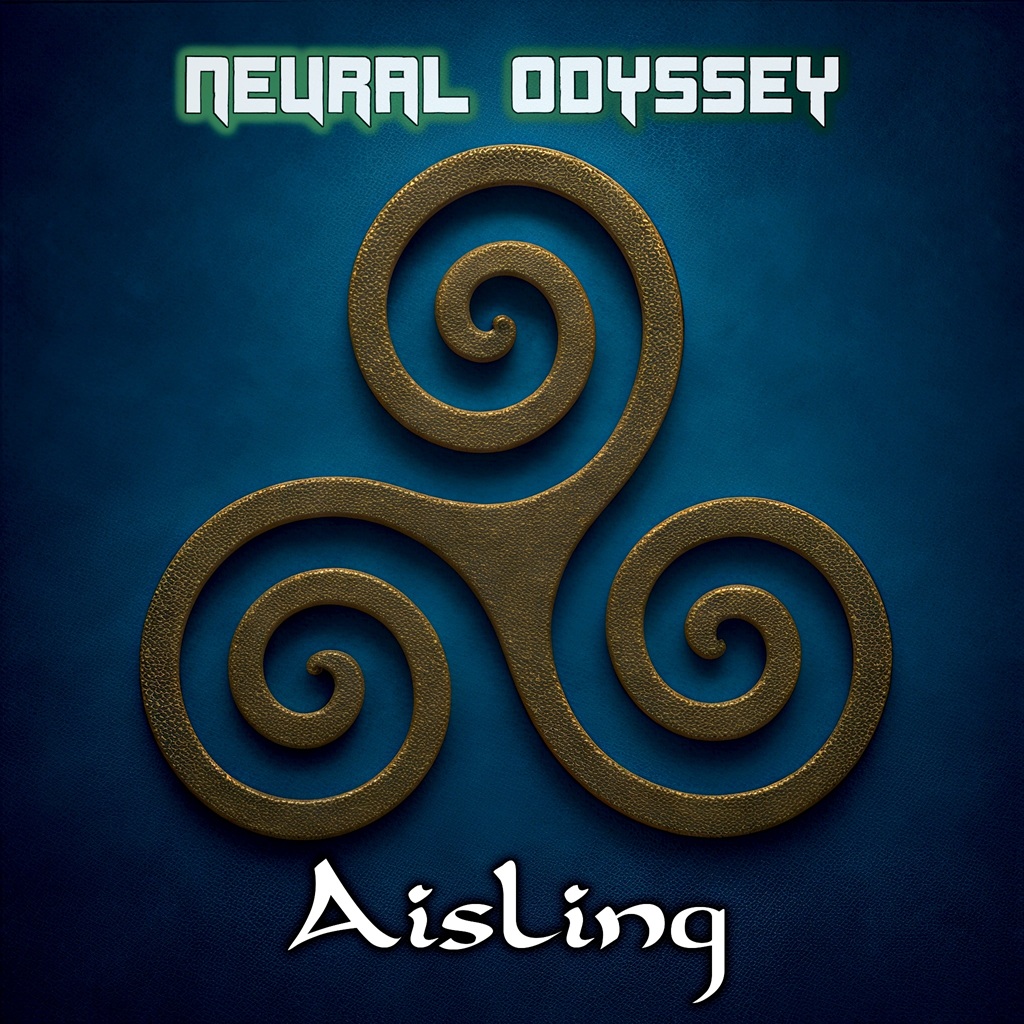
Aisling is a Gaelic word that can be translated as “vision” or “dream”, a title that perfectly captures the spirit of the song. The song seeks to evoke the world of the ancient Celts through what has managed to survive to the present day: their art, starting from a very simple reflection. We know very little about the individual stories of the people who lived in ancient times, yet we can still observe the objects they created. Metalwork, jewellery, amber and ritual objects have survived through the centuries and reached us today.
Art and Time
The first verse takes us among ancient oaks, where the sound of the craftsmen’s hammers becomes music. It is a deliberately poetic image: each strike shapes the metal, contributing to the creation of something that is anything but ephemeral.
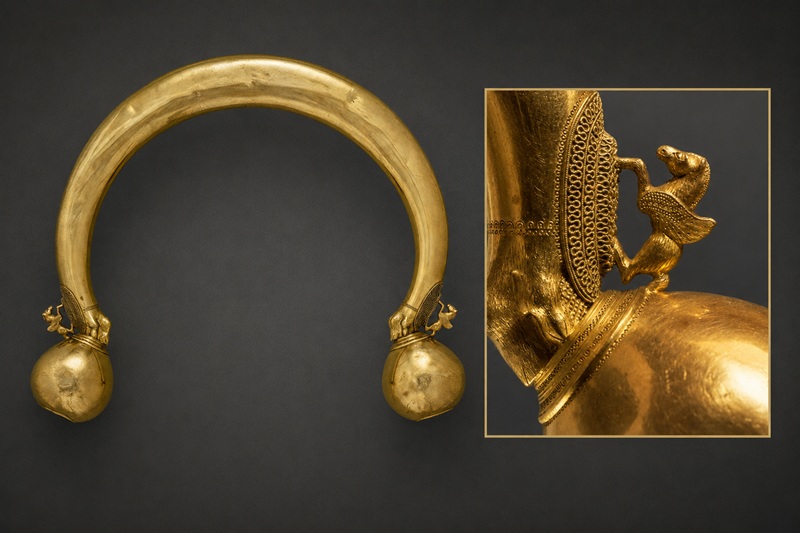
The second verse goes into greater detail, introducing some characteristic elements of Celtic art, such as torques, the large metal neck rings, and amber, with its ability to seemingly preserve its light unchanged. When the chorus speaks of “timeless art”, it is therefore not referring only to the beauty of these objects. Above all, it speaks of their ability to create a connection between people who lived in vastly different periods, where a craftsman forges an object and, centuries later, someone else finds it and tries to understand it.
Between Art and the Sacred
This relationship takes on an even more spiritual dimension. Taranis appears, the Celtic deity associated with thunder, while other images evoke the horned god, Cernunnos, and objects used in ritual contexts. At this point, the craftsman’s hands are shaping an object that connects the human world with the divine. Matter is transformed into something with symbolic and spiritual value. A vessel, a piece of jewellery or a decoration can become part of a ritual and take on a meaning that goes far beyond the material from which it was made.
And perhaps this is precisely one of the most fascinating aspects of ancient objects: we can never fully know what they represented to those who created them.
The Symbolism of Three
The main vocalisation is repeated three times, symbolically recalling the importance of the number three in Celtic imagery and the figure of the triskell, with its three forms seemingly chasing one another in a continuous movement. This reference evokes the idea of a cycle: past, present and future, birth, life and death, ending and new beginning. In this sense, art itself becomes part of the same movement: it is born at a particular moment, survives its creator and is observed and reinterpreted by people living in a future that the artist could never have known.
The Music
The song begins slowly, with a solemn and almost ritualistic pace. The opening is dominated by percussion and the distinctive sound of the morin khuur, gradually joined by orchestration and metal elements. These instruments are used to create a sense of distance, evoking an ancient world without attempting to reproduce it literally.
Against this backdrop, the contemporary language of symphonic metal emerges, and the same contrast can be heard in the vocals. The soprano brings certain passages into a more solemn and almost otherworldly dimension, while the rock vocals introduce a more earthly and direct quality. As the song progresses, these elements grow together until the finale, when the chorus returns with greater intensity and the final line is extended until it almost becomes a declaration: Our works will never fade.
A Vision That Reaches Us
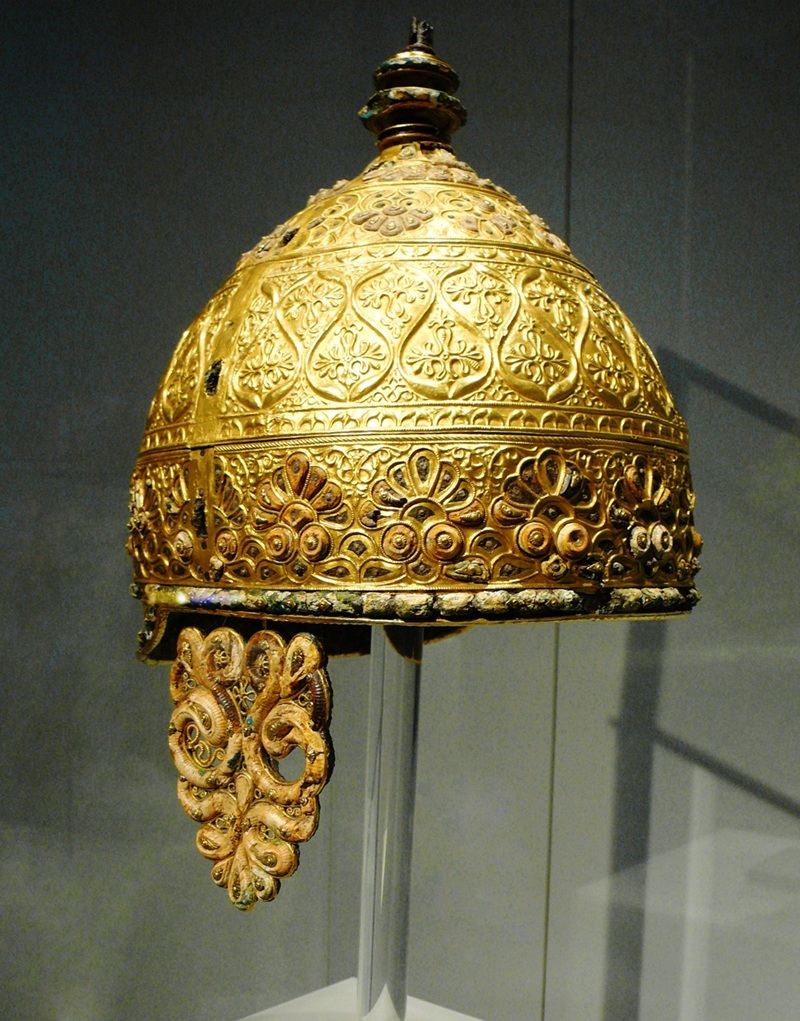
In the end, Aisling speaks of the ancient Celts and the craftsmen who belonged to a world that disappeared thousands of years ago. We do not know their names, and we will probably never know what they thought as they worked the metal or carved a decoration. Yet something has managed to survive through the centuries, and we can still see it with our own eyes.